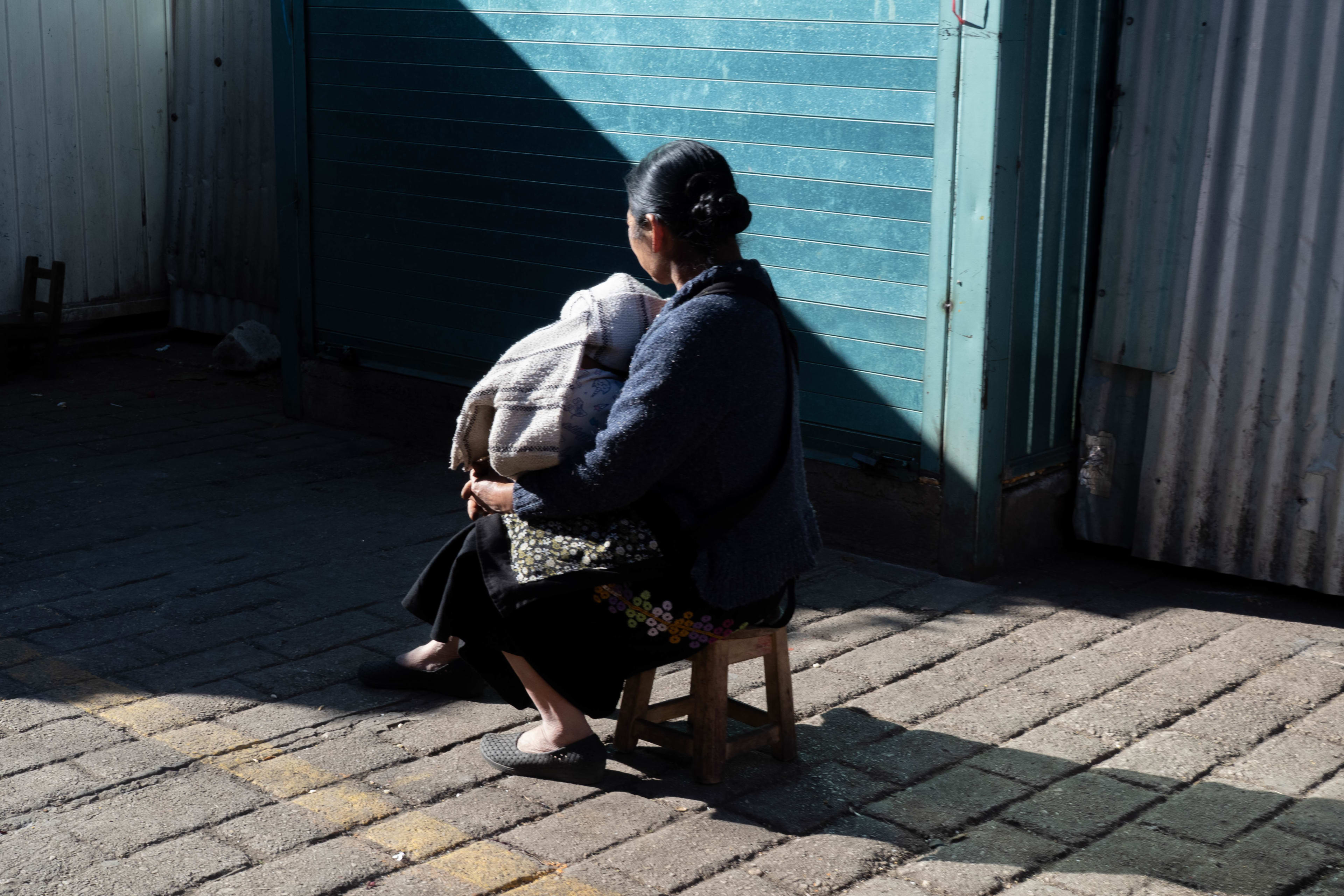
Shadows of a city
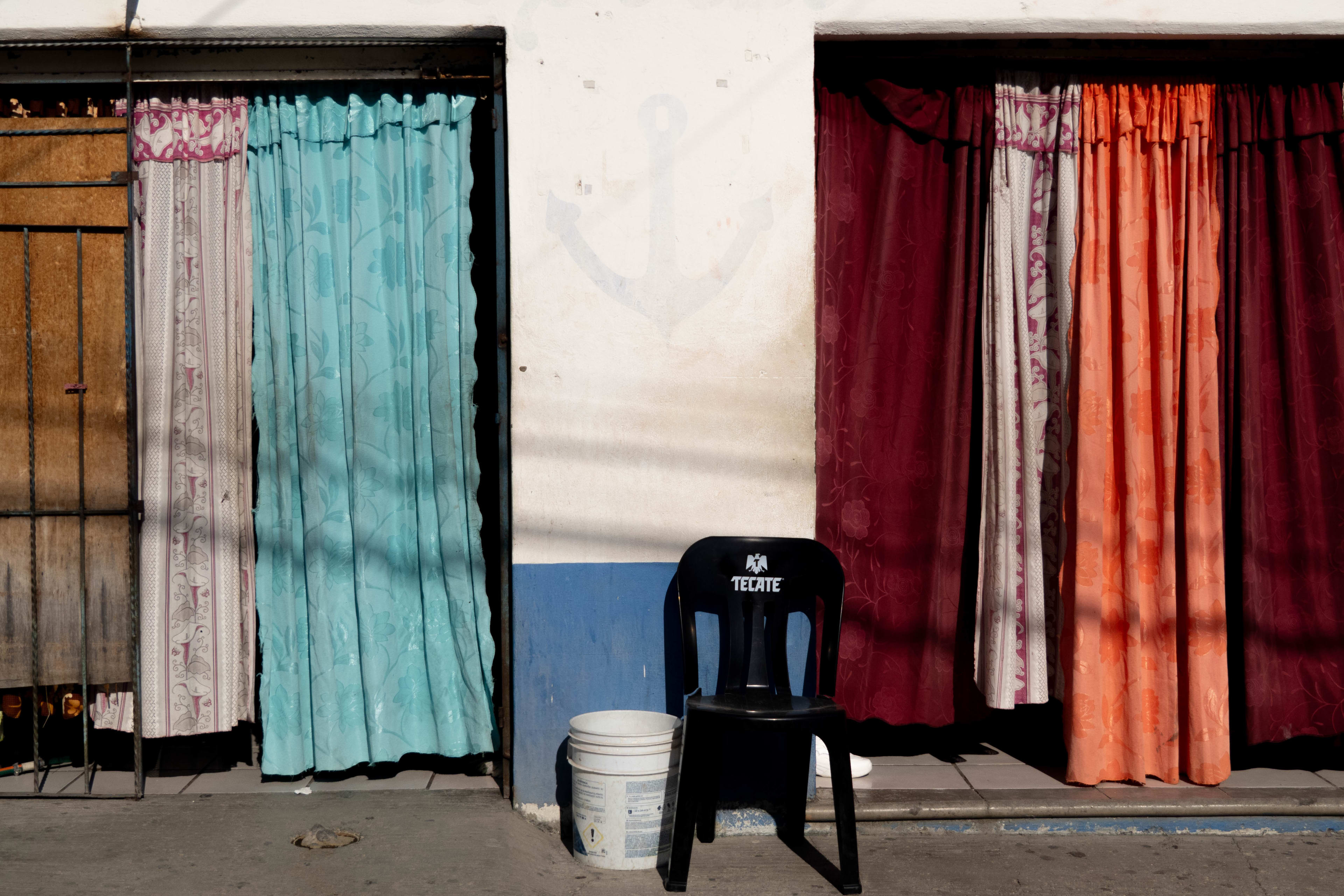
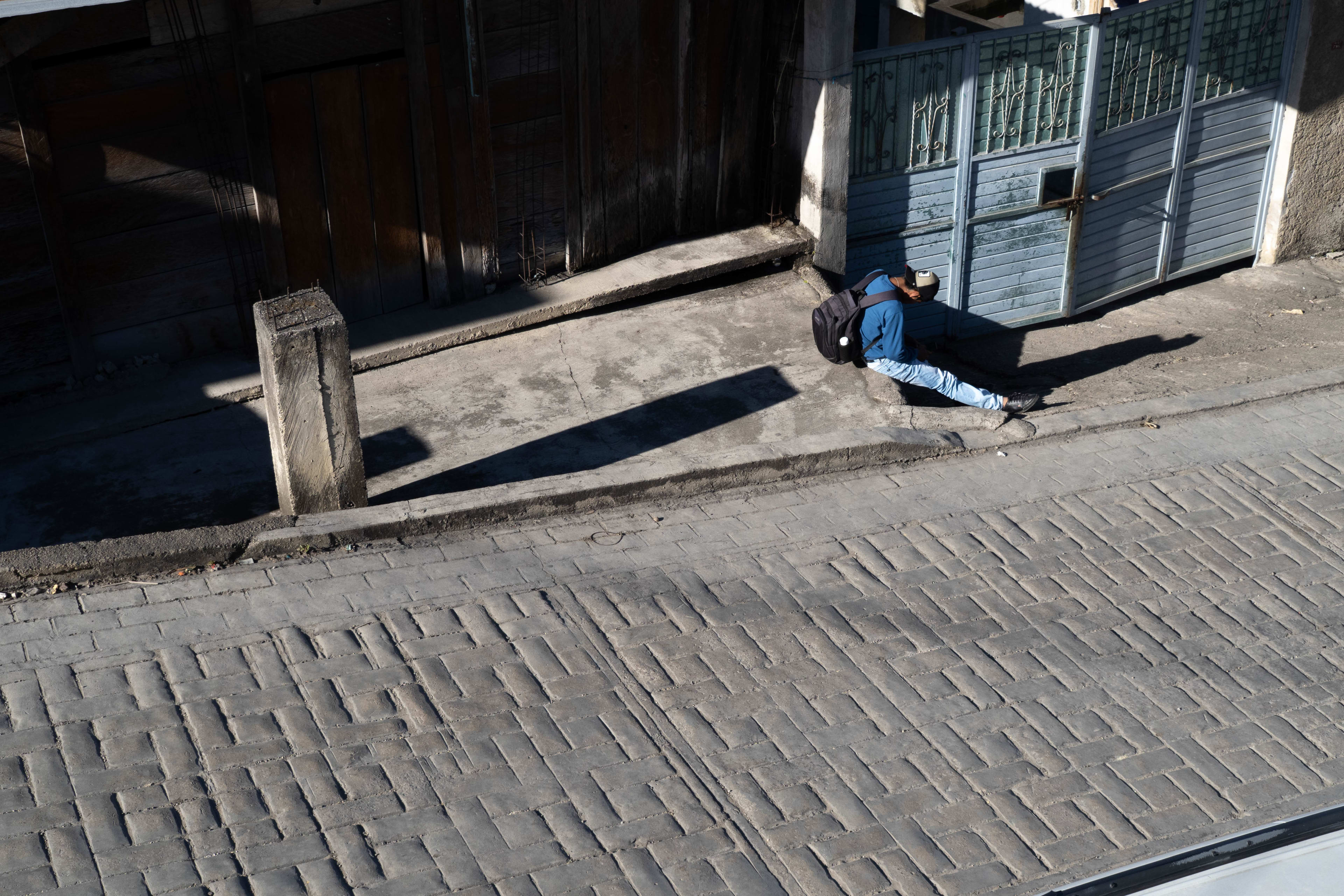
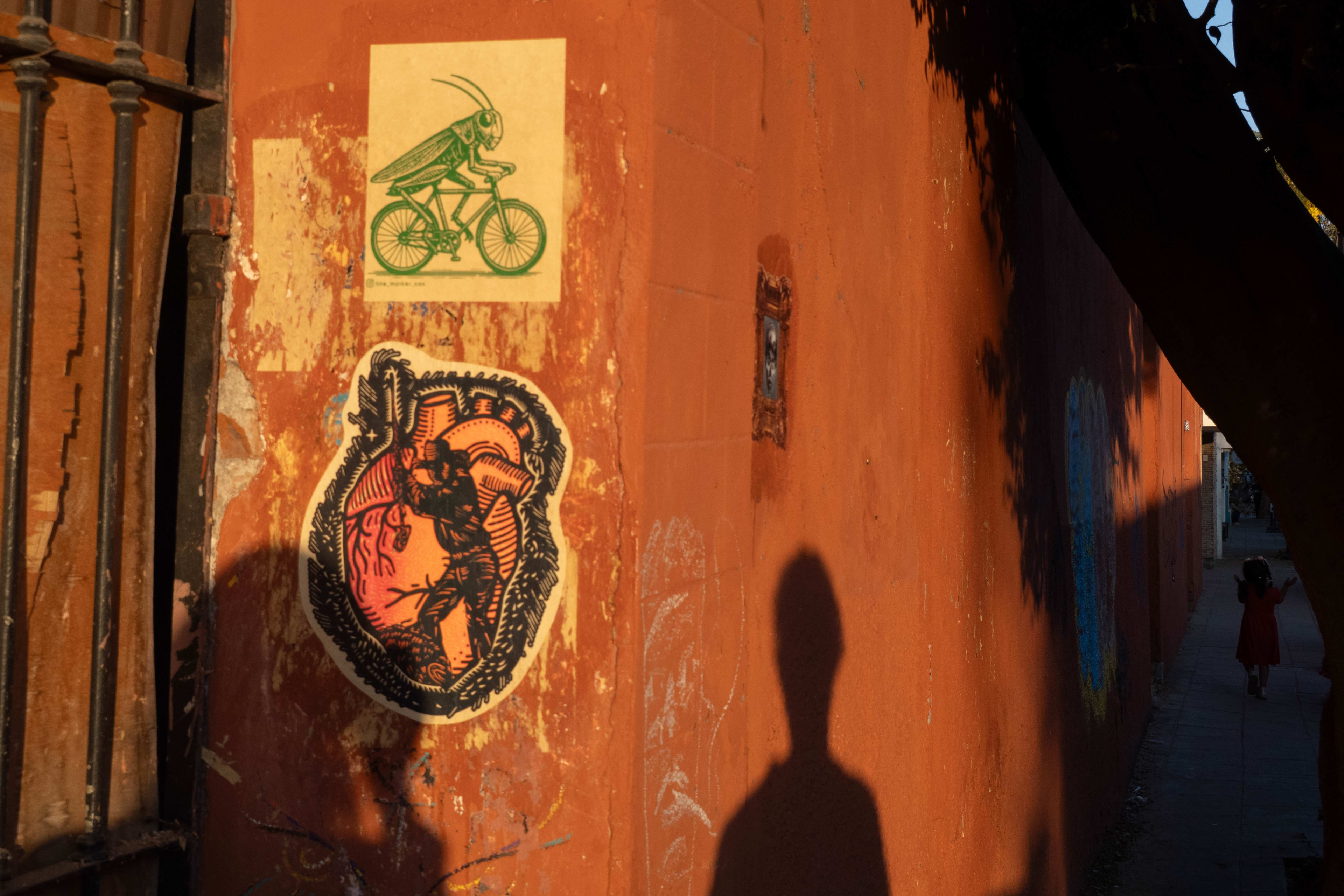
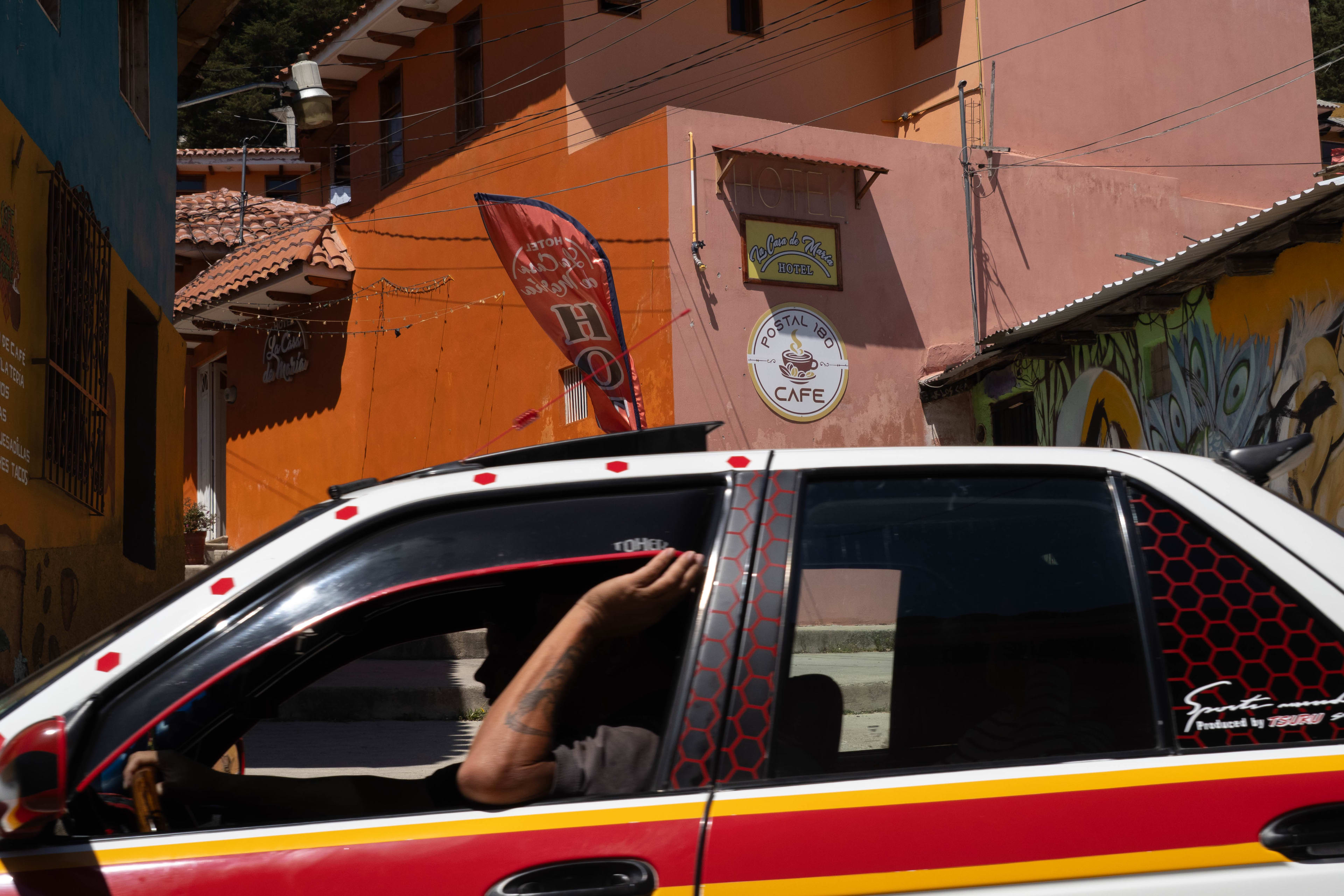
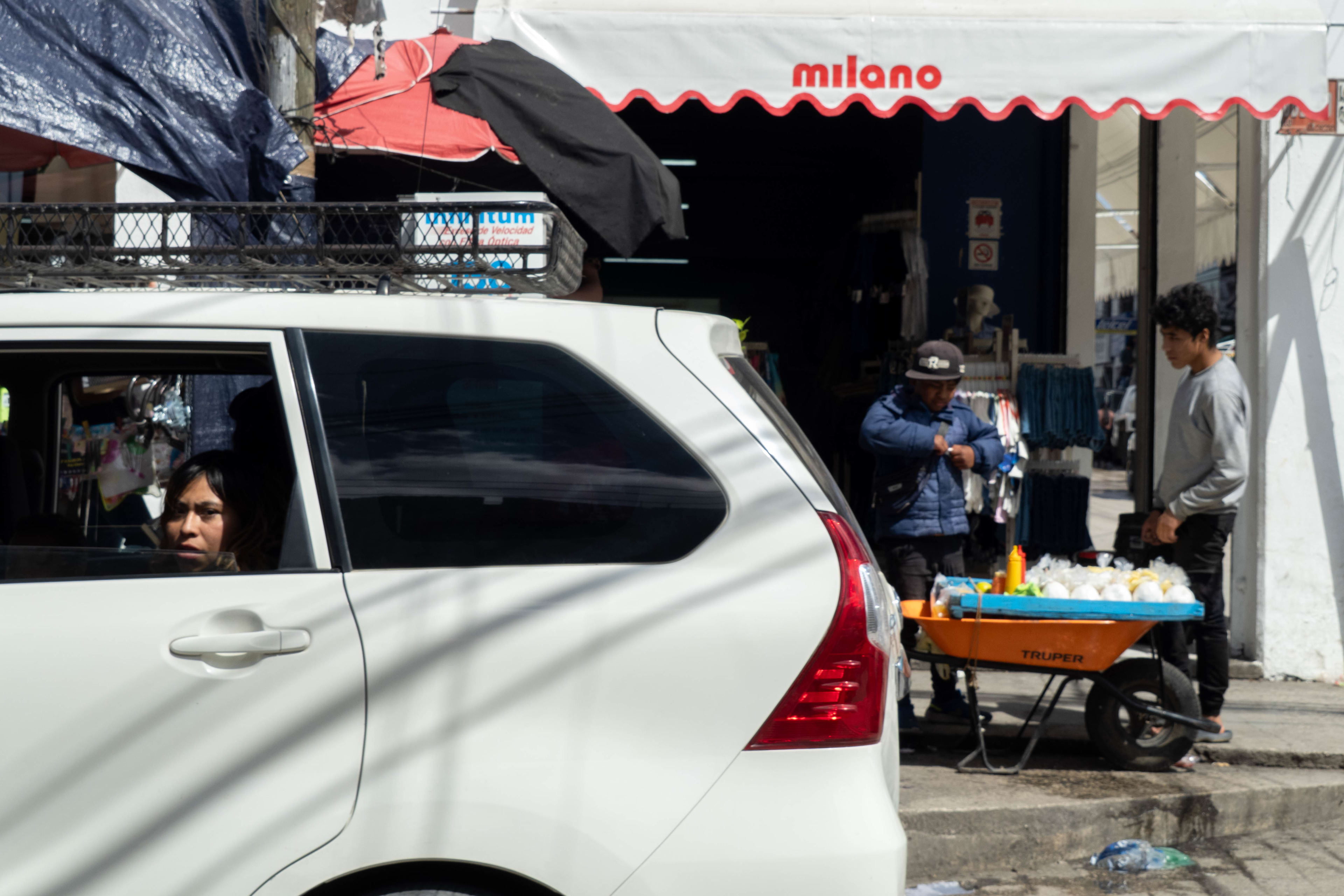
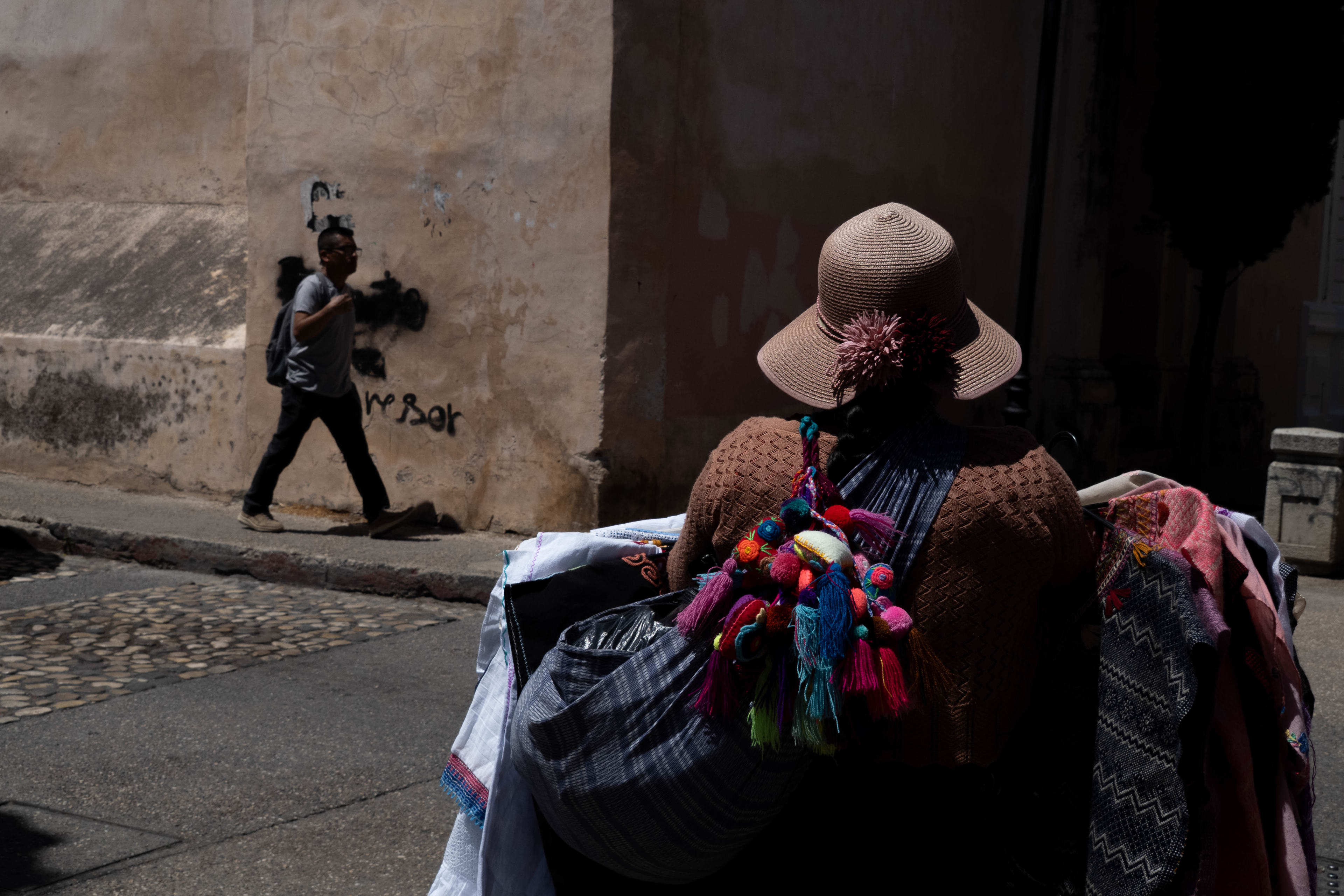
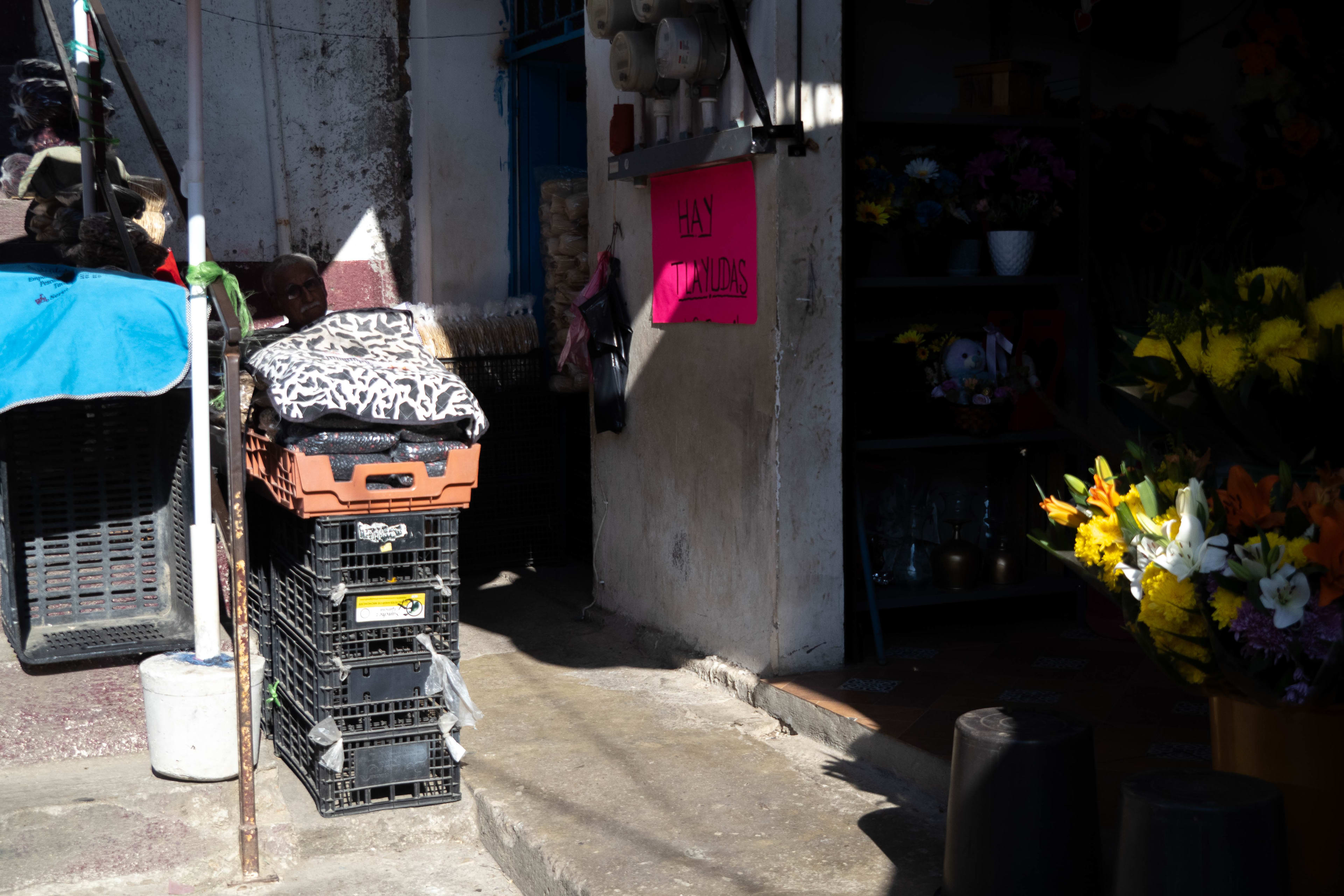
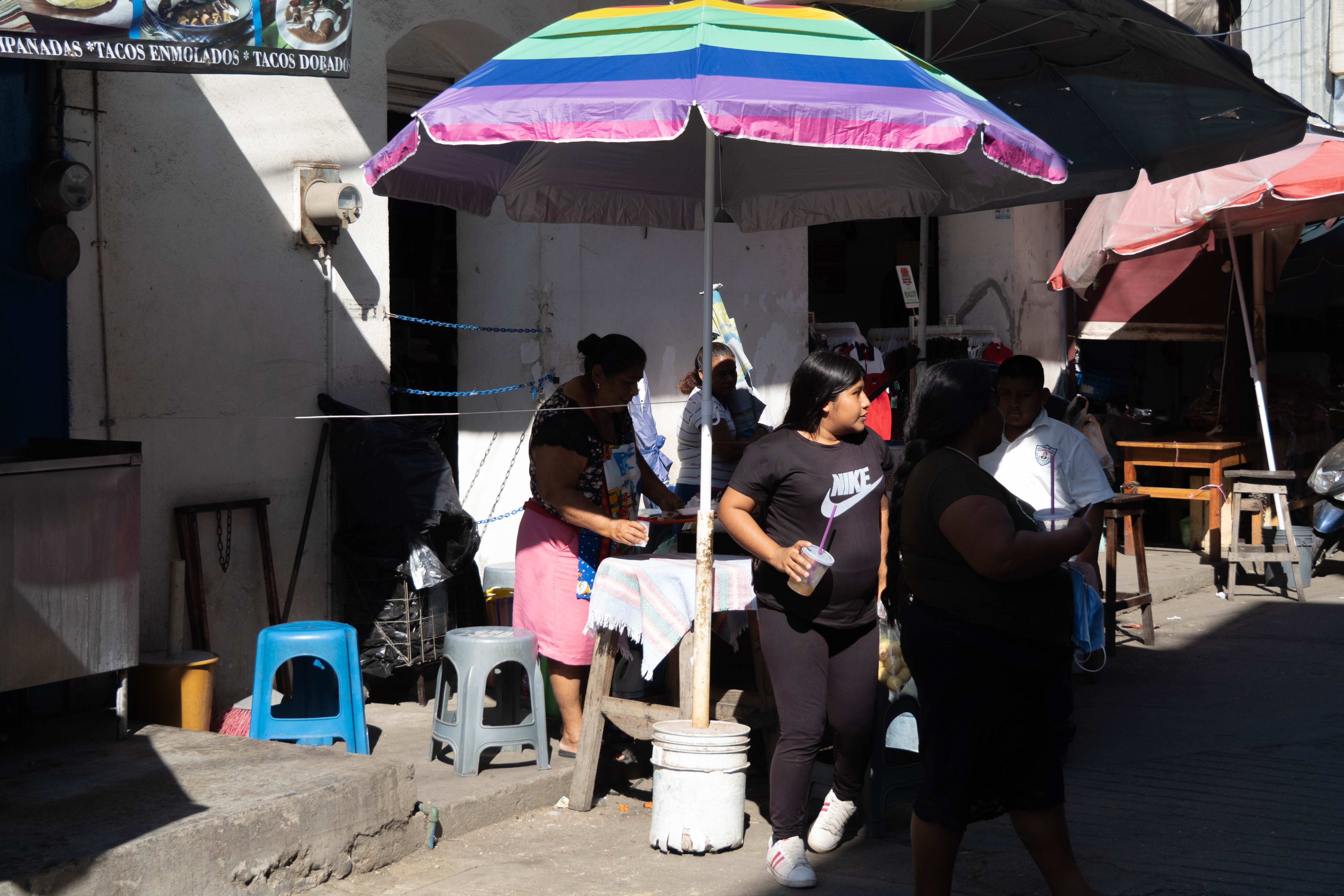
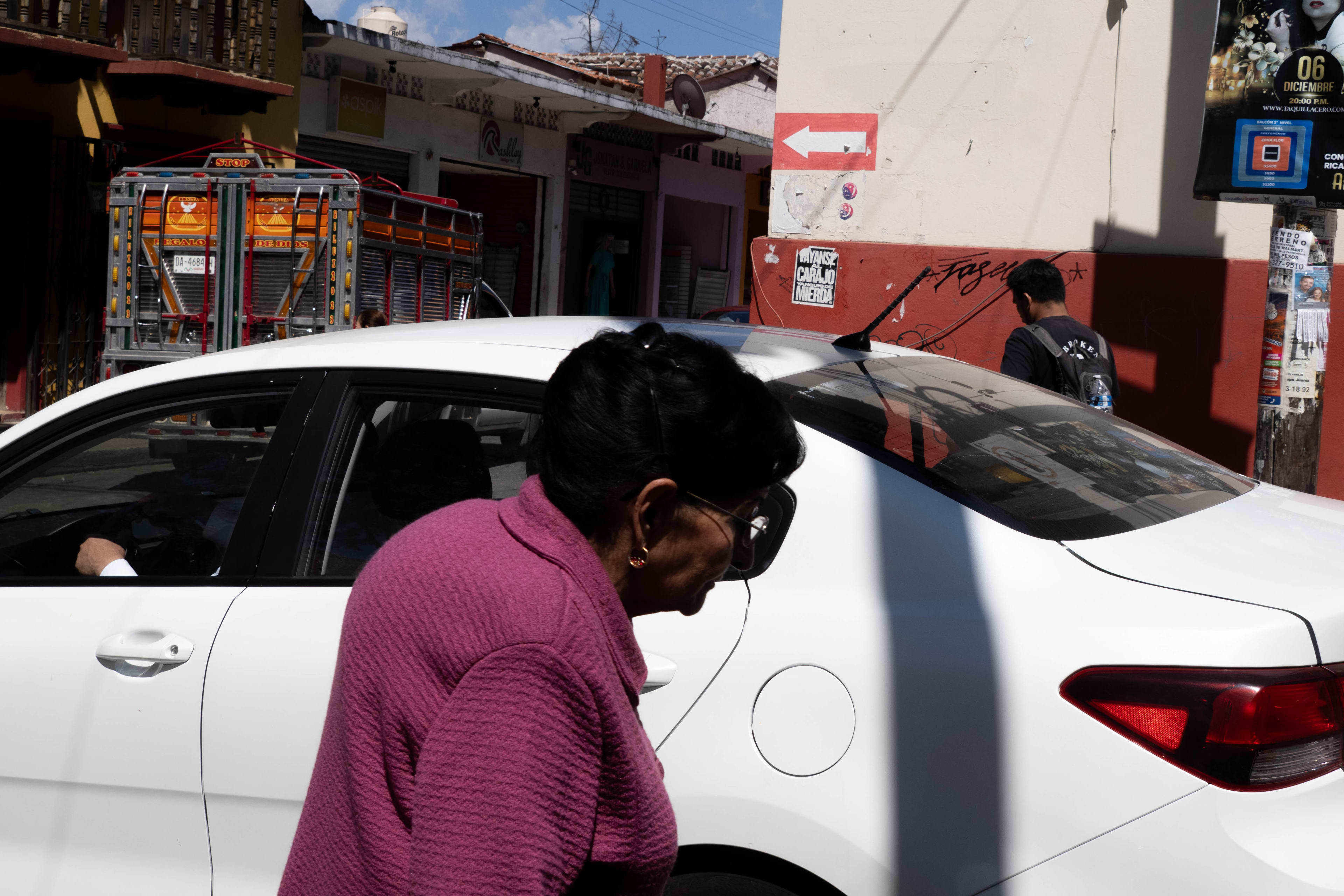
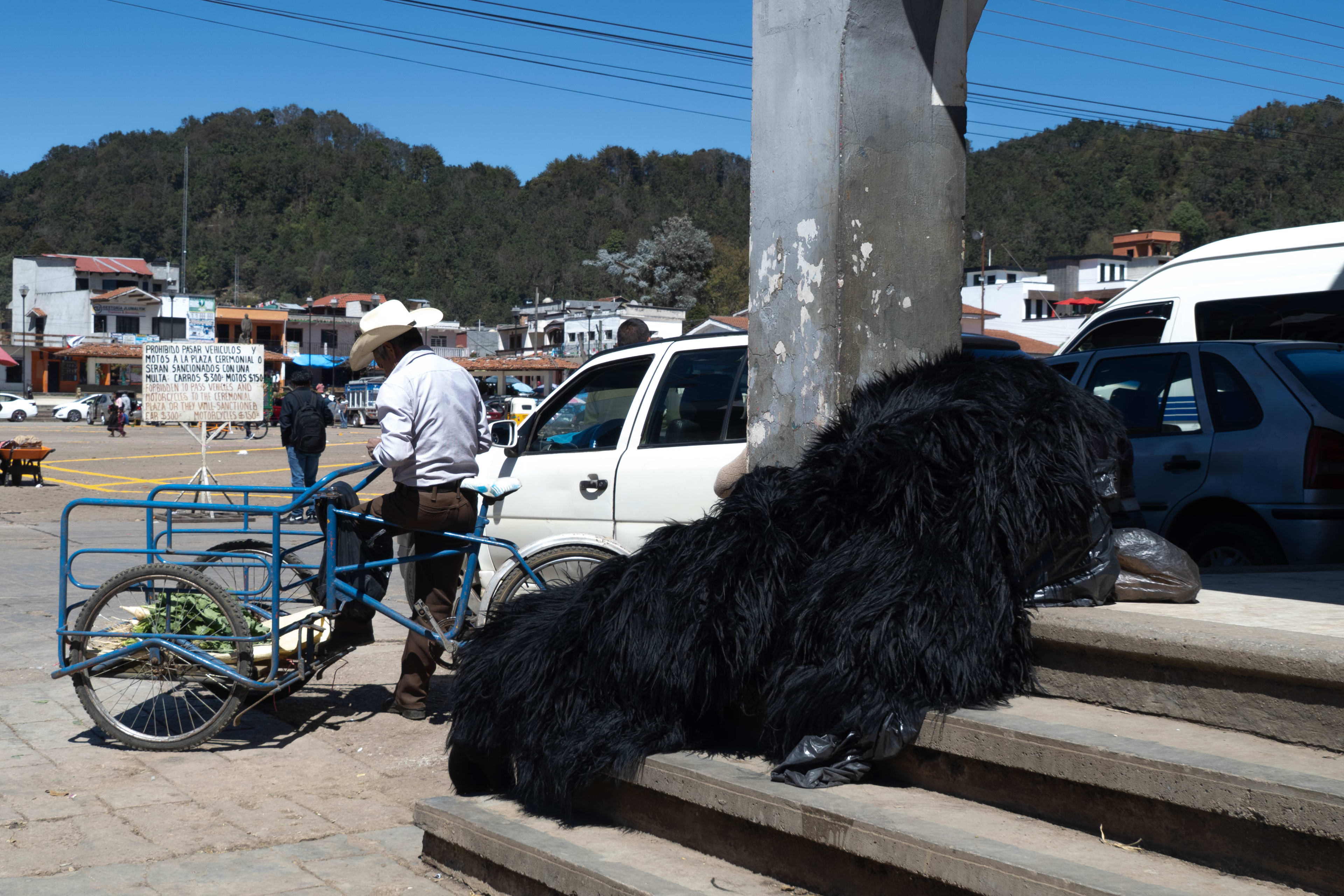
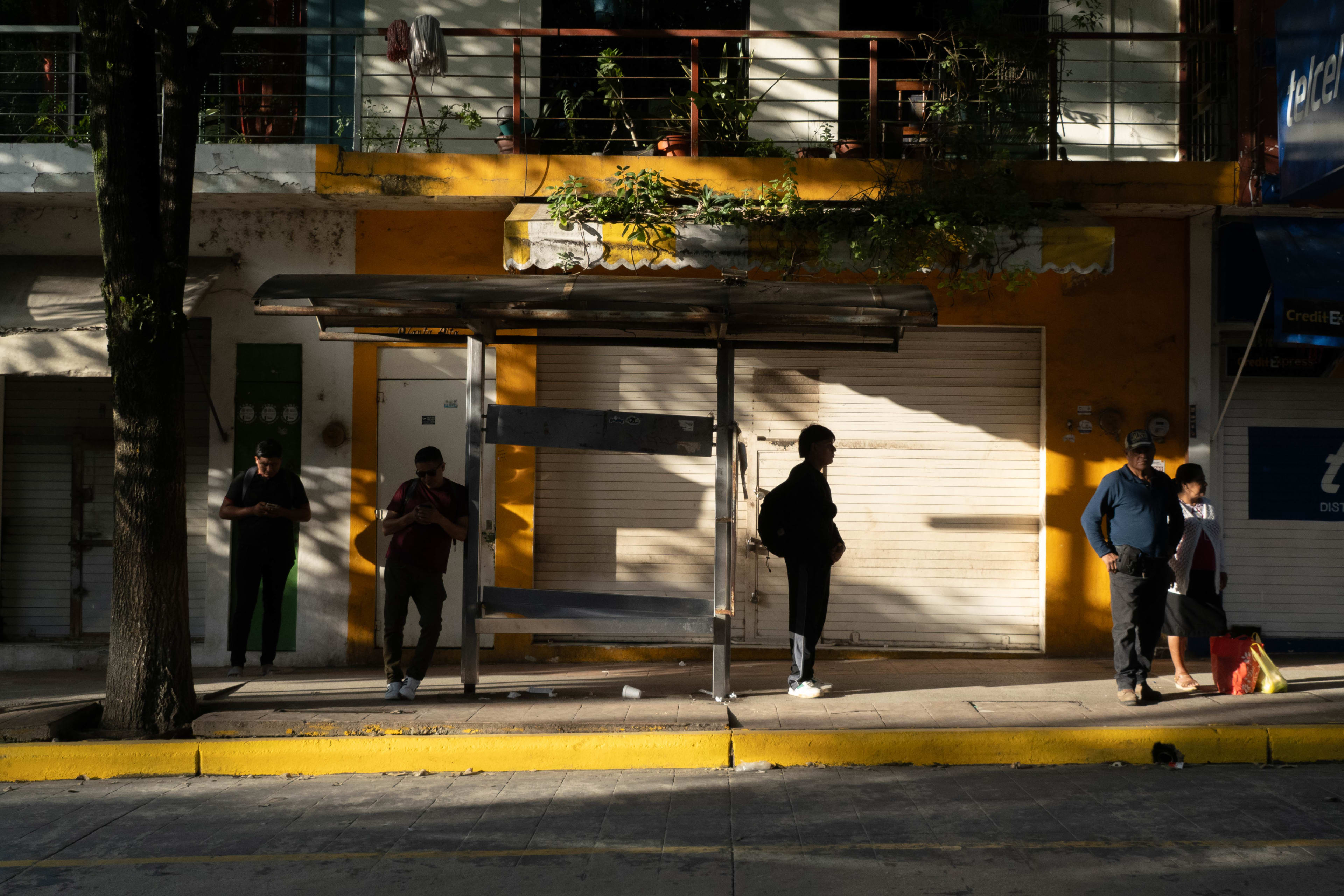
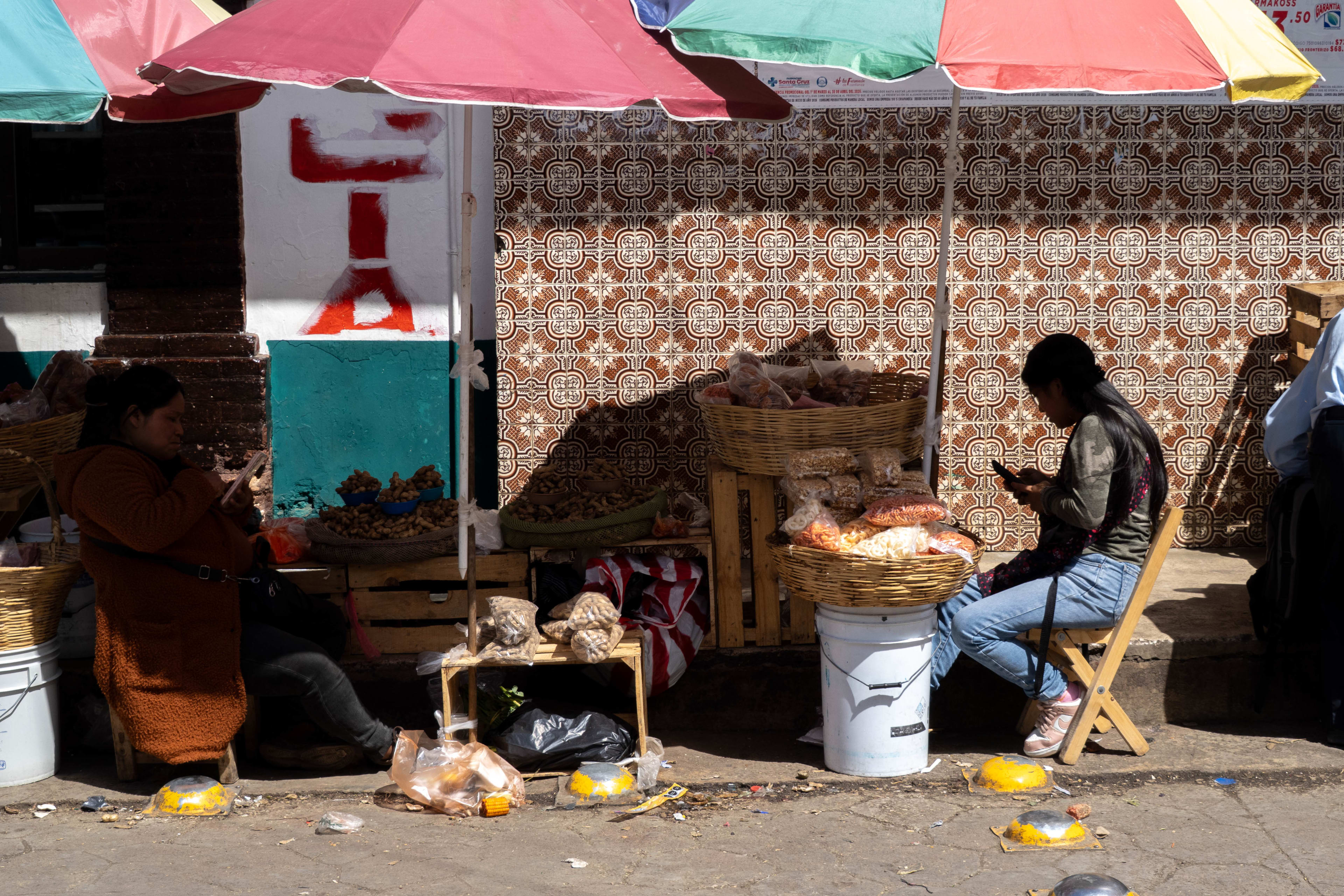
In the contemporary world, where population density is constantly increasing, the experience of everyday life is undergoing a clear transformation. The individual is gradually losing their visibility, becoming a fragment of the crowd embedded in the cityscape. Anonymity emerges, blurring individual identity. A person remains physically present—their body occupies space, moves, interacts—yet socially they often remain unnoticed. They function not as separate individuals with their own histories, but as part of a larger collective structure. This tension between individuality and the anonymity of the crowd recalls the dilemmas presented in The Revolt of the Masses by José Ortega y Gasset, where the masses fill space but do not create the narrative of an individual’s history. Photographs fit into this perspective of seeing. They operate through fragments—a piece of a body, a shadow, a silhouette without a face. Figures are sometimes partially hidden, as if losing their uniqueness in the rhythm of the crowd. This limited legibility is not accidental—it is a way of showing the tension between who we are as individuals and how we function within a collective. The photographs in this project can be interpreted as an example of a sociological essay. I deliberately chose a developing country because the living conditions and dynamics of everyday life in such a place impose a particular way of seeing and photographing—a way that highlights the anonymity of the individual and the tension between individuality and collectivity.